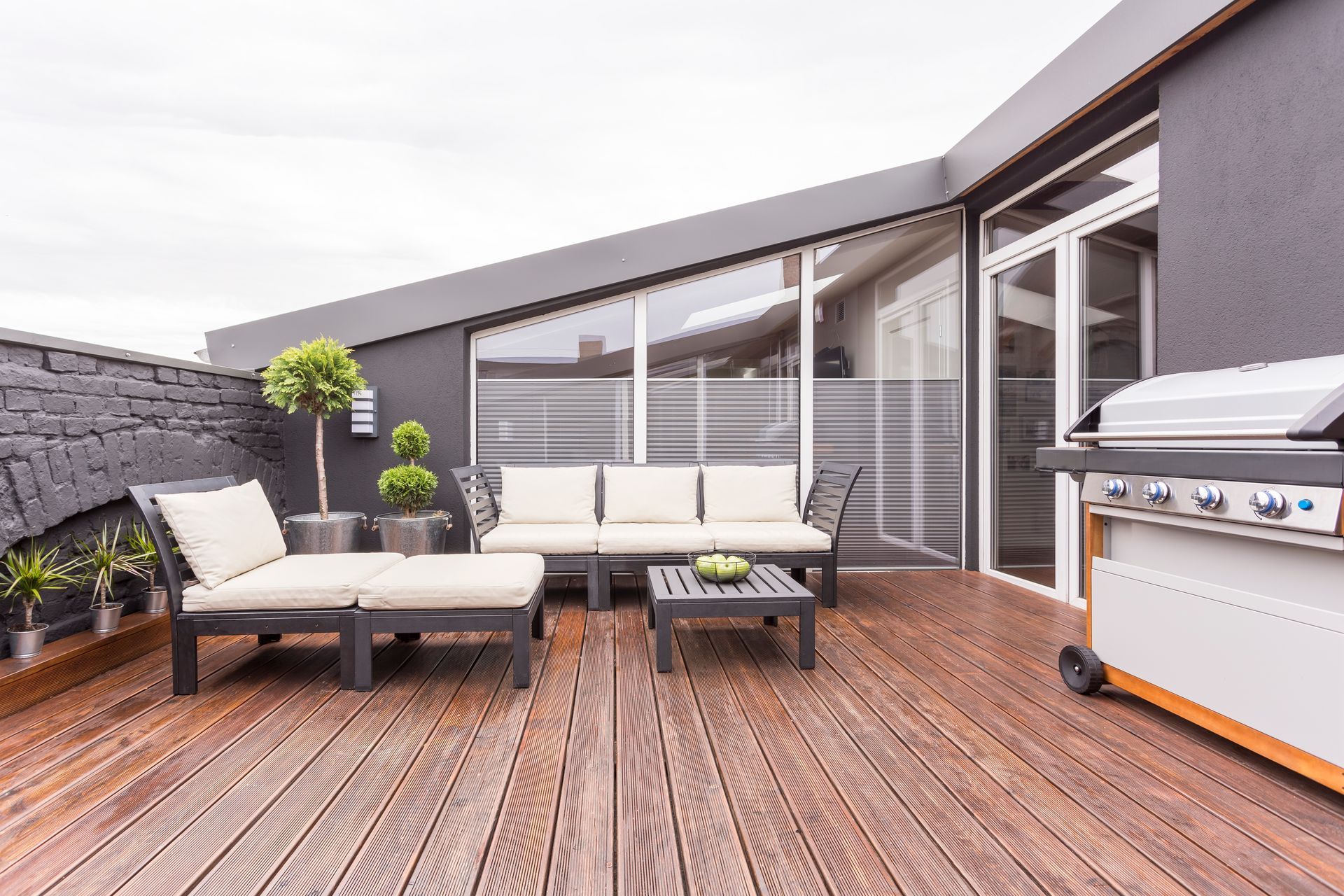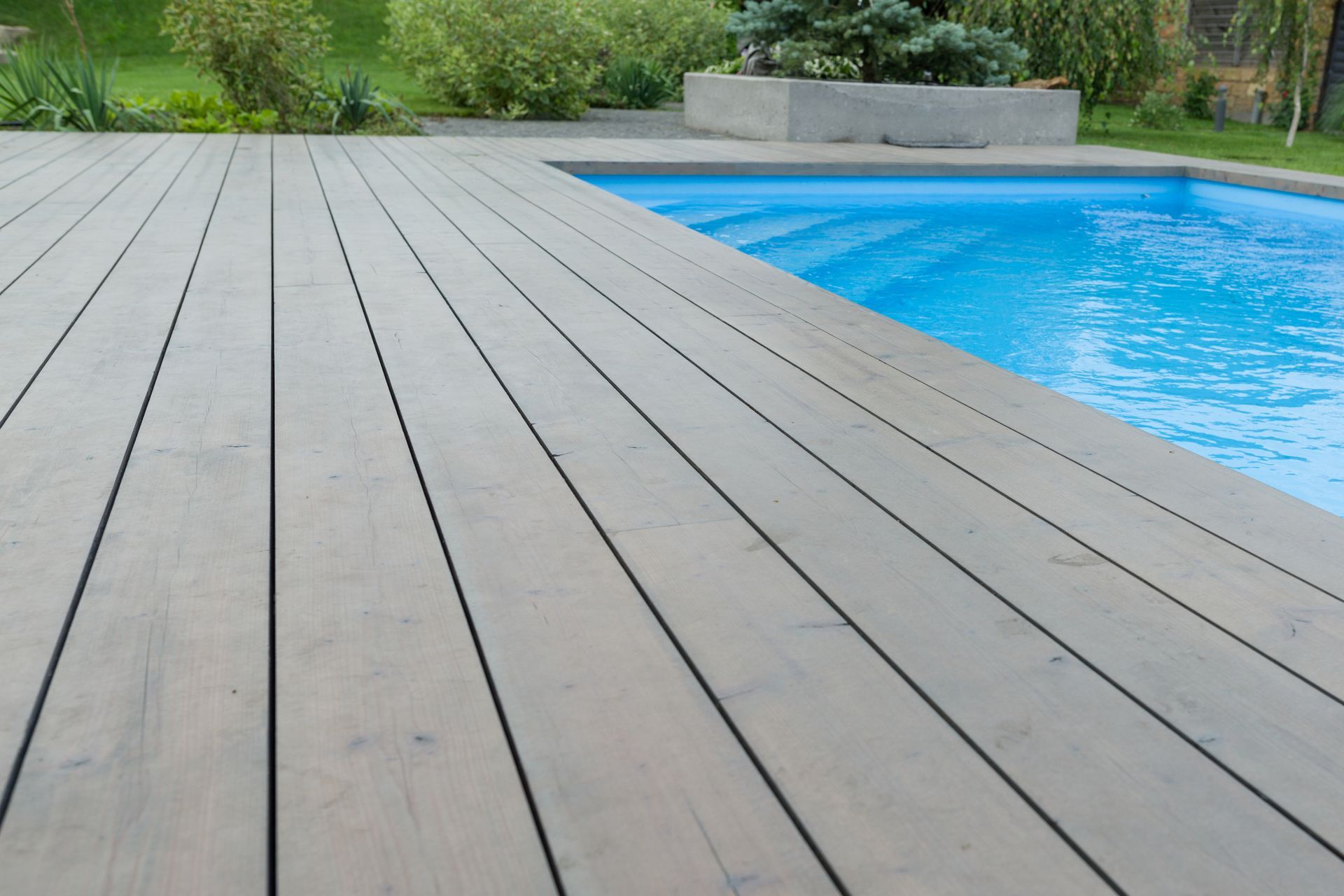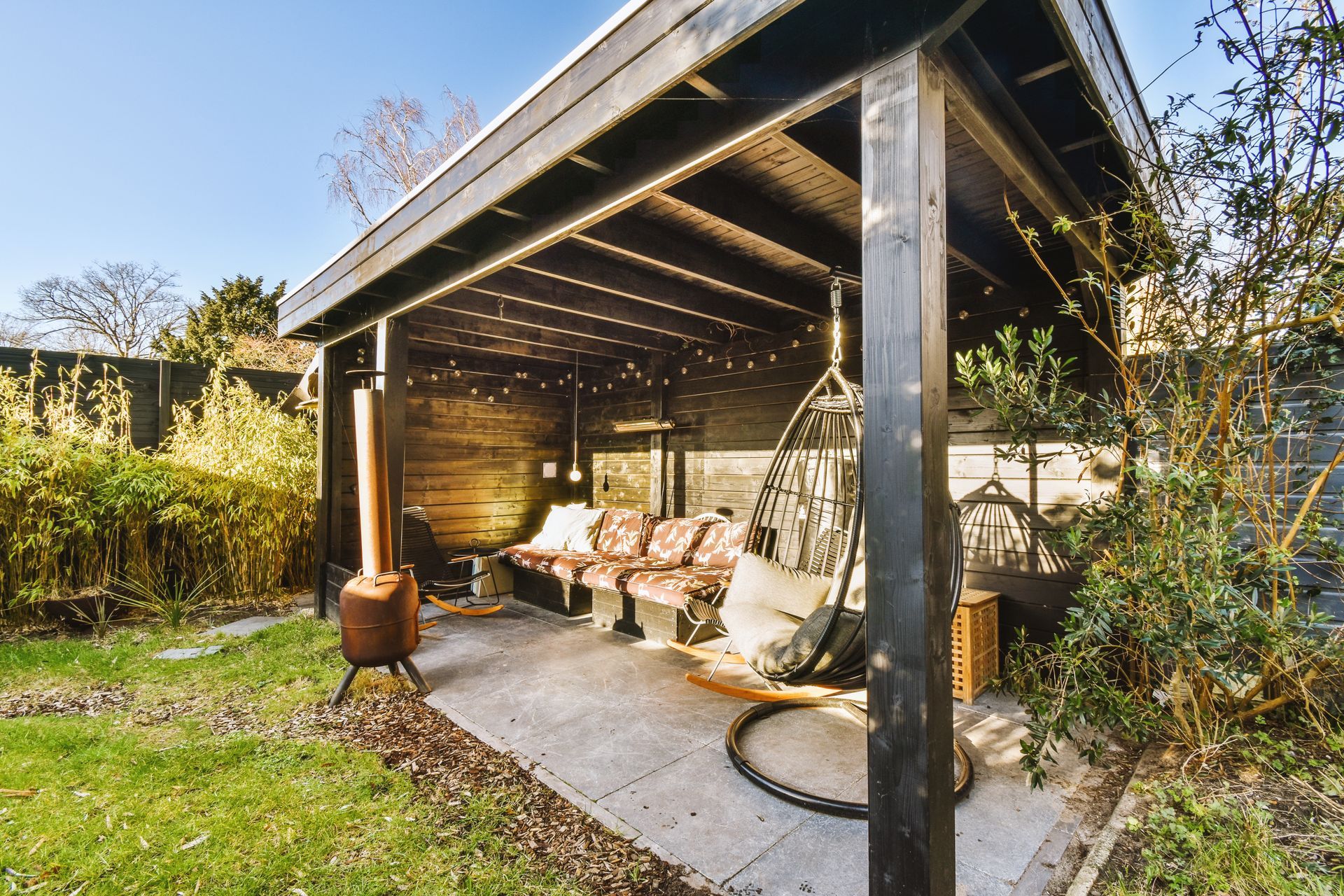

How Long Does Composite Decking Last? What Oregon Homeowners Should Know
May 27, 2026

After years of building and replacing decks across Oregon, our team has seen firsthand how different decking materials hold up against Pacific Northwest weather. We've installed composite decks in coastal towns soaked by year-round rain, on hillside homes baked by summer sun, and in shaded backyards where moss takes over anything left untreated. That hands-on experience is why we can give you straight answers about composite decking instead of marketing claims.
Here's the short answer: a quality composite deck installed correctly in Oregon should last 25 to 30 years, and premium brands often push past that. Below, we break down what shapes that lifespan, how composite compares to wood, and how to make your deck last as long as possible.
Why Composite Decking Has Become So Popular in Oregon
Composite has taken over because Oregon's climate is hard on wood. Homeowners are tired of staining, sealing, and replacing rotten boards every few years, and composite gives them a deck that looks good for decades with very little upkeep.
The Challenges Oregon Weather Creates for Outdoor Decks
Oregon weather wears down decks faster than most homeowners expect. The main culprits:
- Heavy winter rain that keeps boards wet for months and feeds mold growth
- Strong summer UV that fades and dries out deck boards
- Coastal salt air that speeds up wear on boards, fasteners, and railings
- Big temperature swings that make wood expand, contract, and split
- Heavy shade and moss in yards that block airflow and trap moisture
Why Many Homeowners Are Moving Away From Traditional Wood Decking
Even cedar, which resists rot naturally, needs regular sealing to hold up in Oregon. Pressure treated lumber handles bugs and rot but still splits, warps, and grays without yearly attention. Homeowners are switching to composite to skip the upkeep and get a deck that's ready to use whenever the weather is.
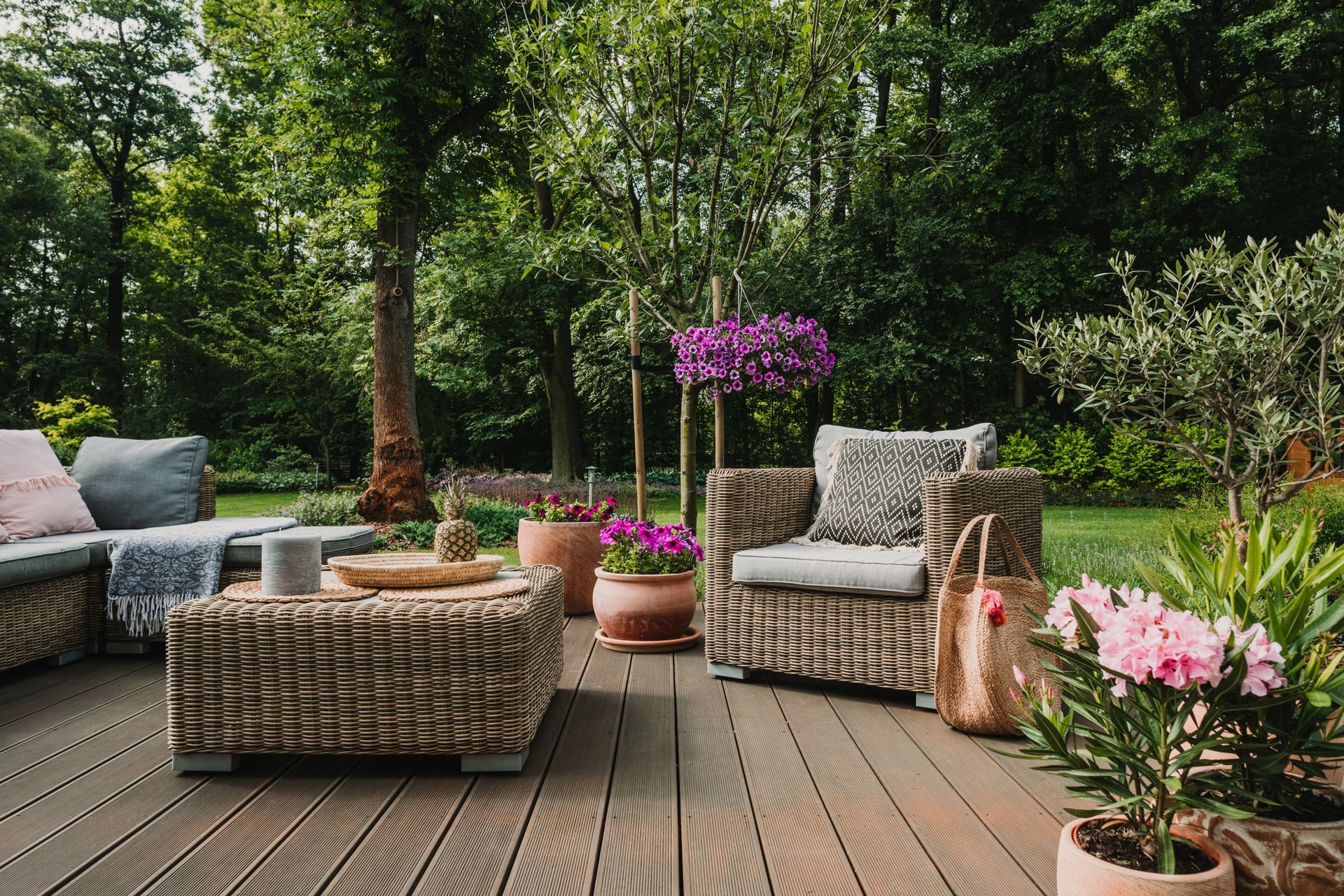
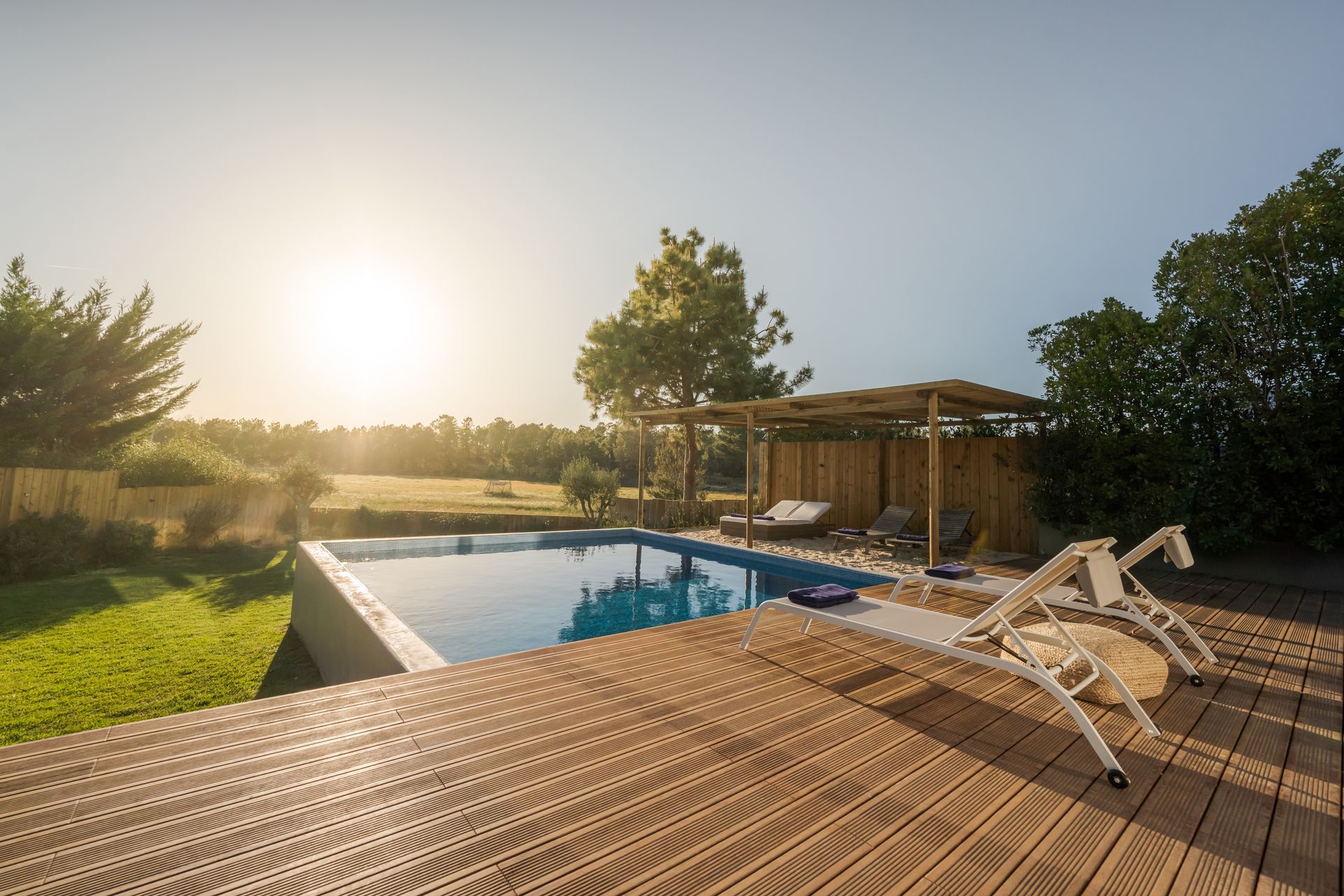
So, How Long Does Composite Decking Actually Last?
A well installed composite deck typically lasts 25 to 30 years in Oregon. Premium capped composite often lasts longer, and most come with warranties to back that up. The exact number depends on the product tier, the install, and how the deck is cared for.
Average Lifespan of Composite Decking
Most composite decking falls into a clear range based on quality tier:
- Entry level composite usually lasts about 10 to 15 years.
- Mid grade composite lasts around 20 to 25 years.
- Premium capped composite, like the top lines from Trex and TimberTech, often lasts 25 to 30 years or more.
The cap layer is the biggest reason newer composite outperforms older versions. Early composite from the 1990s and early 2000s often failed within 10 to 15 years because it lacked that protective shell. Modern capped composite is a completely different product.
What Impacts the Lifespan of a Composite Deck?
Brand matters, but it's not the only factor. Four things shape how long your deck lasts:
Moisture Exposure and Drainage
Composite boards resist rot, but the wood frame underneath does not. Trapped moisture and poor drainage under the deck can rot the substructure and kill the deck even when the boards still look new. Good drainage and ventilation are critical.
Sun Exposure and Heat
Modern capped composite resists UV damage, but boards in full sun age faster than shaded ones. Darker colors absorb more heat and wear faster over the years.
Installation Quality
A composite deck is only as good as the frame under it. Wrong joist spacing, missing fasteners, poor flashing, and lack of ventilation can shorten a deck's life by years. We've replaced composite decks where the boards were fine but the frame rotted from the inside.
Material Quality and Brand Differences
Premium brands use better polymers, thicker caps, and stronger color layers. Cheaper composite fades, scratches, and warps years before a premium board would.
Composite Decking vs Wood Decking Lifespan
Composite outlasts wood by a wide margin in Oregon, and the gap grows once you factor in maintenance. We cover the full breakdown in our guide on composite decking vs wood, but here's how the lifespan piece shakes out.
How Long Cedar Decks Typically Last in Oregon
With regular sealing, a cedar deck lasts 15 to 20 years. Without that care, it often starts failing in 10 to 12 years, especially in shaded or low spots where water sits. Pressure treated decks fall in a similar range.
Why Composite Decking Often Lasts Longer
Composite does not rot, split, or splinter. It does not need sealing or staining. The cap layer protects against moisture, mold, and fading, which are the three biggest enemies of decks in Oregon.
Maintenance Differences Between Composite and Wood
Here's how the yearly maintenance compares side by side:
- Wood decks need: yearly washing, sealing or staining every 2 to 3 years, sanding rough spots, replacing split or rotten boards, and tightening loose fasteners
- Composite decks need: a soap and water wash 1 to 2 times a year, leaf and debris cleanup, and a quick yearly inspection
Over 20 years, that gap adds up to thousands of dollars and many lost weekends.
Signs Your Composite Deck Is Aging or Failing
Catching wear early lets you fix small issues before they spread. The most common warning signs:
- Faded or chalky boards, especially in sunny areas, signaling the cap layer is breaking down
- Loose, squeaky, or shifting boards that point to failing fasteners or framing
- Soft spots or a slight bounce when you walk across the deck, usually a sign of substructure rot
- Rusting fasteners or popped screws along the board edges
- Dark stains or sagging around posts, joists, or ledger boards
Most of these come down to the frame, not the boards themselves. A pro can usually spot the source during a yearly inspection, and many of these issues can be fixed without replacing the whole deck. If you're seeing any of the signs above, our deck repair service covers everything from board replacement to substructure work.
What Oregon Homeowners Can Do to Extend Deck Life
A few simple habits add years to your composite deck.
Keep the Deck Surface Clean and Clear
Sweep off leaves and debris regularly. Wet leaves left on the surface lead to mold and staining, even on composite. A gentle soap and water wash a couple of times a year is enough. Avoid high pressure washing, which can damage the cap layer.
Prevent Standing Water and Drainage Problems
Make sure water flows off the deck and away from the framing. Clear nearby gutters and check for low spots where water pools. In yards with poor drainage, gravel or a drainage system around the deck base helps.
Schedule Routine Deck Inspections
A quick yearly inspection catches small problems before they grow. Spring is the best time in Oregon, after winter has done its worst.
Protect Railings, Fasteners, and Substructure Components
Boards may last 30 years, but railings, screws, and framing wear out sooner. Stainless steel fasteners and aluminum railings are smart upgrades for Oregon, especially near the coast.
Are All Composite Decking Brands the Same?
Not at all. The brand and product line you choose can mean a 10 to 15 year difference in lifespan.
Differences Between Entry Level and Premium Composite Decking
Entry level composite is often uncapped or only lightly capped. It fades faster, scratches easier, and struggles in wet climates. Premium composite uses a thick protective cap that resists fading, staining, and moisture. The extra cost usually pays itself back in years of added life.
Trex, TimberTech, and Other Popular Composite Options
Trex and TimberTech are the two most trusted names in the industry, each with budget to premium tiers. PVC decking like TimberTech AZEK has no wood content at all, which makes it especially strong in very wet or shaded yards.
Why Warranties Matter When Choosing Decking Materials
Premium composite boards come with 25 to 50 year warranties covering fading, staining, and structural defects. Read the fine print and confirm the warranty is transferable if you sell, since that adds real resale value.
Is Composite Decking Worth the Investment?
For most Oregon homeowners, yes. The upfront cost is higher than wood, but composite wins on lifespan, maintenance, and resale.
Comparing Composite and Wood Over 20 Years
| Factor | Cedar Deck | Premium Composite Deck |
|---|---|---|
| Upfront Cost | Lower | Higher |
| Yearly Maintenance | Cleaning and sealing | Light cleaning only |
| Average Lifespan | 15 to 20 years | 25 to 30+ years |
| Replacements Needed in 20 Years | Often 1 full or partial | Usually none |
| Resale Appeal | Moderate | Strong |
| Long Term Cost | Higher overall | Lower overall |
Upfront Cost vs Long Term Value
Composite costs more to install, but you skip the stain, sealer, and board replacements that pile up with wood. Over 20 years, composite almost always comes out ahead, and that's before counting the weekends you didn't spend on upkeep.
Lower Maintenance Costs Over Time
Stain, sealer, and replacement boards for a wood deck add up year after year. Composite skips almost all of that, and over a 20 to 30 year lifespan the savings on materials and labor easily run into the thousands.
Resale Value and Outdoor Living Appeal
A clean, low maintenance deck is a strong selling point. Buyers in Oregon know what wet weather does to wood, and a quality composite deck signals the home was built to last.
Choosing the Right Composite Deck Builder in Oregon
A great brand installed poorly will not last, and bad installation can void the manufacturer warranty.
Why Proper Installation Matters for Longevity
Composite boards expand and contract with temperature changes. They need correct gaps, fastener spacing, and frame support to move without buckling. A skilled installer follows the manufacturer's exact specs and pays attention to the parts you can't see: joist spacing, flashing, ventilation, and protected framing.
Questions to Ask Before Hiring a Deck Contractor
A few smart questions help you find the right pro:
- How many composite decks have you installed in Oregon?
- Do you follow manufacturer guidelines for the brand I choose?
- Are you certified by Trex, TimberTech, or other composite brands?
- What kind of warranty do you offer on installation?
- Can I see photos or visit a recent project?
- How do you handle drainage and ventilation under the deck?
Finding Materials Built for Pacific Northwest Weather
When shopping for composite decking in Oregon, look for boards with:
- A thick, fully wrapped cap layer for the best moisture and fade protection
- Strong mold and mildew resistance built into the product specs
- A proven track record in wet climates, not just sunny southern markets
- A transferable, long term warranty covering fading, staining, and structural defects
Final Thoughts on Composite Decking Lifespan
What Homeowners Should Realistically Expect
A well chosen, well installed composite deck should give you 25 to 30 years of low maintenance outdoor space, and premium products often go longer. The key is matching the right product to your climate and trusting the install to someone who knows composite.
When Composite Decking Is the Better Long Term Choice
If you want a deck that handles Oregon's wet winters and sunny summers without constant upkeep, composite is almost always the better choice. It costs more upfront and pays you back in time saved and years of use, especially if you plan to stay in your home long term.
Ready to Build a Deck Built to Last?
If you're thinking about a new deck or replacing an old one, we'd love to help you choose the right material for your home. Our team has years of hands-on experience with deck building across Oregon. Reach out today to schedule a consultation and get a deck built to last.
Frequently Asked Questions
How long does Trex decking last in Oregon?
Trex decking typically lasts 25 to 30 years in Oregon when installed correctly. Premium Trex lines like Transcend and Signature often come with 50 year limited warranties, which gives you a strong sense of how confident the company is in their lifespan. Oregon's wet climate is actually a great fit for Trex, since the capped boards are built to handle constant moisture.
Does composite decking get moldy in wet Oregon weather?
Capped composite resists mold much better than wood, but it is not fully mold proof. Leaves, dirt, and standing water left on the surface can lead to mold over time. A light wash a couple of times a year is usually enough to keep mold from taking hold. Shaded decks may need cleaning a little more often than sunny ones.
Can composite decking be repaired if a board gets damaged?
Yes. Individual composite boards can be replaced without tearing up the whole deck. The harder part is matching the color of older boards, since composite can fade slightly over the years. Keeping a few extra boards from your original install makes future repairs much easier and gives you a perfect color match.
Is composite decking too hot to walk on in the summer?
Composite can get warm in direct summer sun, especially darker colors. Lighter colors and newer heat resistant lines from Trex and TimberTech stay noticeably cooler. In Oregon, this is less of an issue than in hotter states, but it is still worth thinking about if your deck gets full afternoon sun and you like to walk barefoot.
What happens to a composite deck after the warranty ends?
Most composite decks keep performing well long after the warranty period. The warranty is more of a quality promise than a hard expiration date. Many homeowners get an extra 5 to 10 years of solid use from their deck after the warranty has technically ended, especially if they've kept up with basic cleaning and inspections.
Recent Posts