
Pergola Ideas for Pacific Northwest Backyards
May 28, 2026

After years of building custom outdoor spaces across Oregon and Washington, our team knows what makes a pergola actually work in the Pacific Northwest. We've designed and built pergolas for backyards tucked under tall firs, hillside homes catching strong afternoon sun, and patios that need shelter from months of steady rain. That hands-on experience is why we can give you real, useful pergola ideas instead of generic inspiration that falls apart the first wet winter.
Here's the short version: the best pergolas for Pacific Northwest backyards are weather-ready, built from durable materials, and designed for how you actually use your yard. Below, we walk through the styles, features, and design ideas that hold up best in our climate, plus the things to think about before you start building.
Why Pergolas Are Perfect for Pacific Northwest Outdoor Living
A pergola turns an unused patch of yard into a real outdoor room. In the Pacific Northwest, that matters more than in most places, since our weather can keep people indoors for half the year if their backyard isn't set up right.
Creating Comfortable Outdoor Spaces in Oregon and Washington
Oregon and Washington homeowners want backyards they can use in light rain, full sun, and cool spring evenings. A well designed pergola adds shelter, structure, and shade so the space stays usable across more of the year. It also defines the area, which makes the yard feel intentional instead of empty.
How Pergolas Help Homeowners Enjoy Their Backyard More Often
Pergolas solve the two biggest barriers to outdoor living in the PNW: rain and sun glare. Add a covered roof or a louvered system, and suddenly the patio works on cloudy fall days too. Layer in lighting and heaters, and you have a space that's comfortable from spring through late fall.
Popular Pergola Styles for Pacific Northwest Homes
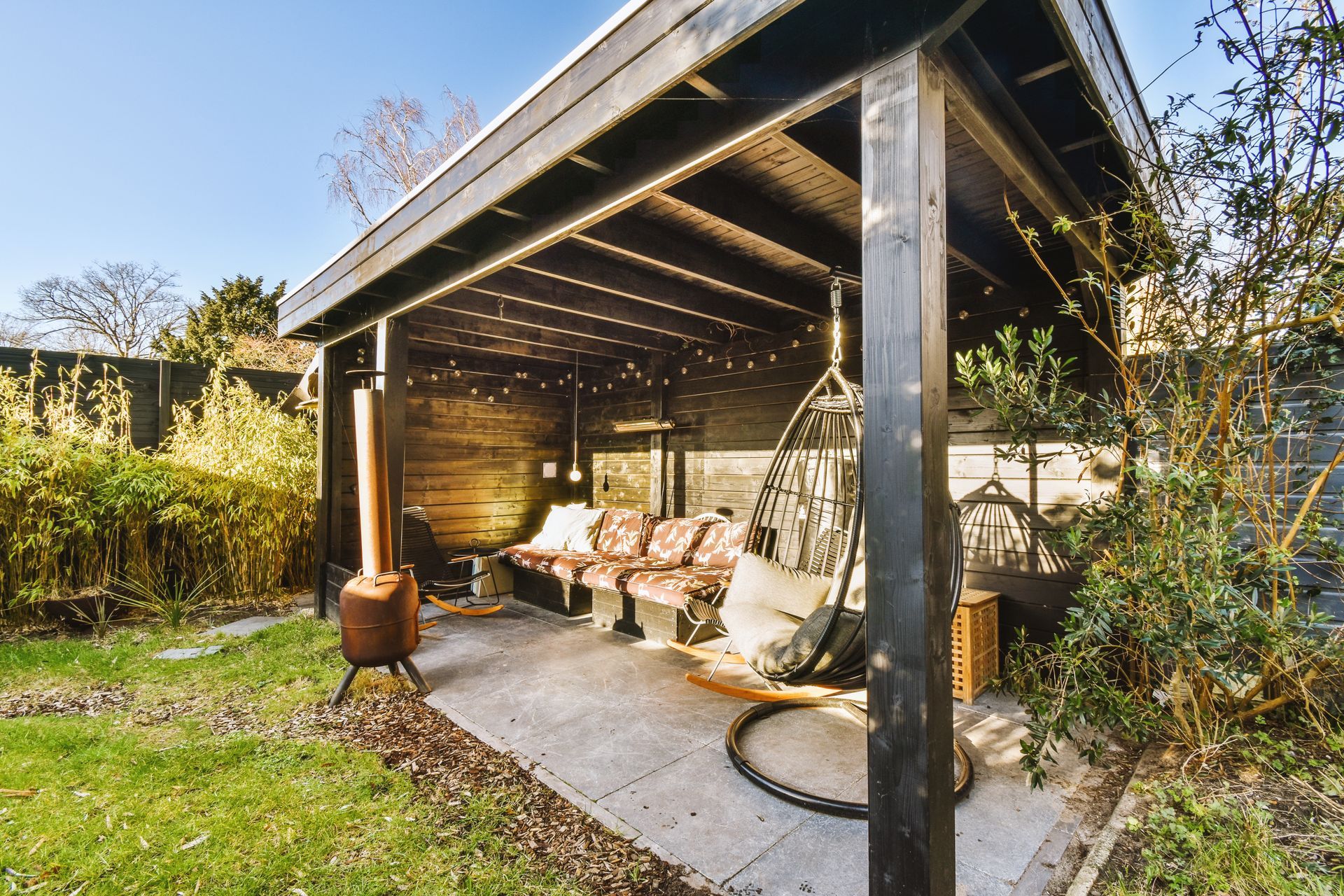
Pergola styles in the Pacific Northwest tend to fall into a few clear categories. The right one depends on your home's look, your yard layout, and how much weather protection you need.
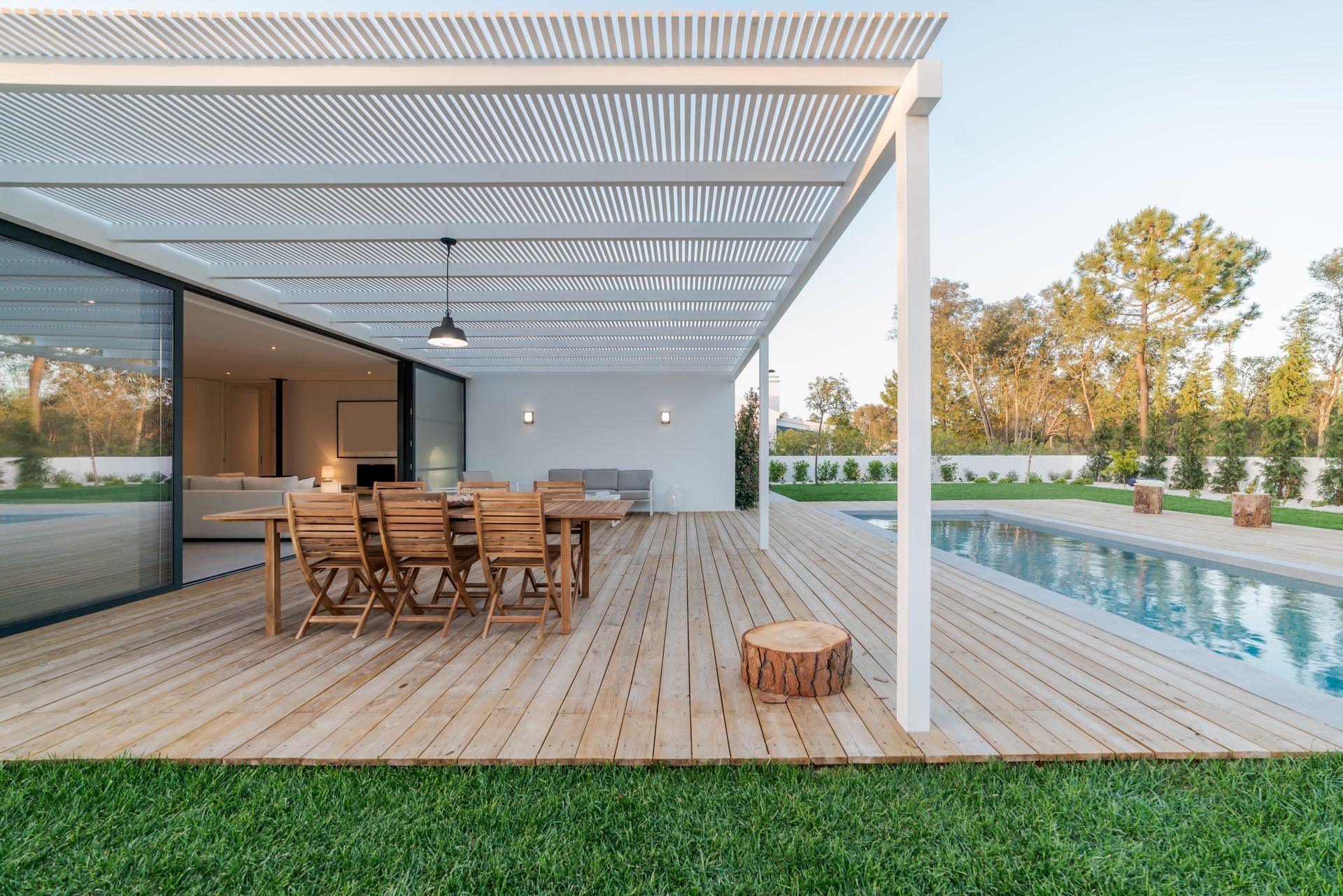
The most common pergola styles we see across Oregon and Washington:
- Modern pergolas with clean black or dark frames and flat roofs
- Traditional cedar pergolas with exposed beams and natural wood tones
- Attached pergolas that extend off the house and shelter a patio or back door
- Freestanding pergolas placed away from the house as a standalone backyard feature
- Louvered pergolas with adjustable slats that open or close for sun and rain
Modern Pergolas With Clean Lines and Minimalist Design
Modern pergolas use simple shapes, dark finishes, and slim profiles. They pair well with newer homes and contemporary remodels. Aluminum and steel framing is common here because it stays slim without sagging.
Traditional Wood Pergolas for Natural Backyard Aesthetics
Traditional cedar pergolas feel right at home in the Pacific Northwest. The warm wood tones blend with surrounding trees and landscaping, and the chunkier beams give the structure a handcrafted look. Cedar is also naturally rot resistant, which helps in our wet climate.
Attached Pergolas vs Freestanding Pergolas
Attached pergolas connect to the house and usually shelter a back patio or sliding door. They feel like an extension of the home. Freestanding pergolas sit anywhere in the yard and work well over fire pits, garden seating areas, or pool decks. Freestanding gives you more design freedom, while attached is usually easier to integrate with existing drainage and lighting.
Louvered Pergolas for Adjustable Sun and Rain Protection
Louvered pergolas are one of the smartest options for Pacific Northwest homes. The slats tilt open for sun or close tight for rain, which gives you a true year-round outdoor space. They cost more upfront, but the flexibility is hard to match.
Pergola Ideas That Work Well in Pacific Northwest Weather
The PNW climate rewards pergolas that handle moisture and shift with the seasons. A pretty design that leaks or fades in two years is not the move.
Covered Pergolas for Rainy Seasons
A solid roof pergola turns your patio into a usable space even in steady rain. Metal panels, polycarbonate, and shingled roofs are all options. Solid roofs work best for homeowners who want a true outdoor room rather than a sun structure.
Pergolas With Retractable Canopies or Roof Systems
Retractable canopies give you flexibility without committing to a permanent roof. Modern systems use durable fabric or motorized panels that you can open on sunny days and close when rain starts. They're a strong middle ground between open beam pergolas and full roof structures.
Shade Solutions for Sunny Summer Days
PNW summers may be short, but the afternoon sun is intense. Pergolas paired with side curtains, climbing plants, or partial roof panels create comfortable shade without losing the open feel.
Durable Materials That Handle Moisture and Temperature Changes
Material choice is everything in our climate. The best pergolas are built with:
- Cedar or other rot resistant wood sealed properly to handle wet winters
- Powder coated aluminum that resists rust and stays light enough for large spans
- Composite beams that mimic wood without the maintenance
- Stainless steel hardware to prevent rust streaks on posts and beams
Backyard Pergola Ideas for Different Outdoor Spaces
A pergola can anchor almost any part of the backyard. The goal is to match the design to how you'll actually use the space.
Pergolas Over Backyard Patios
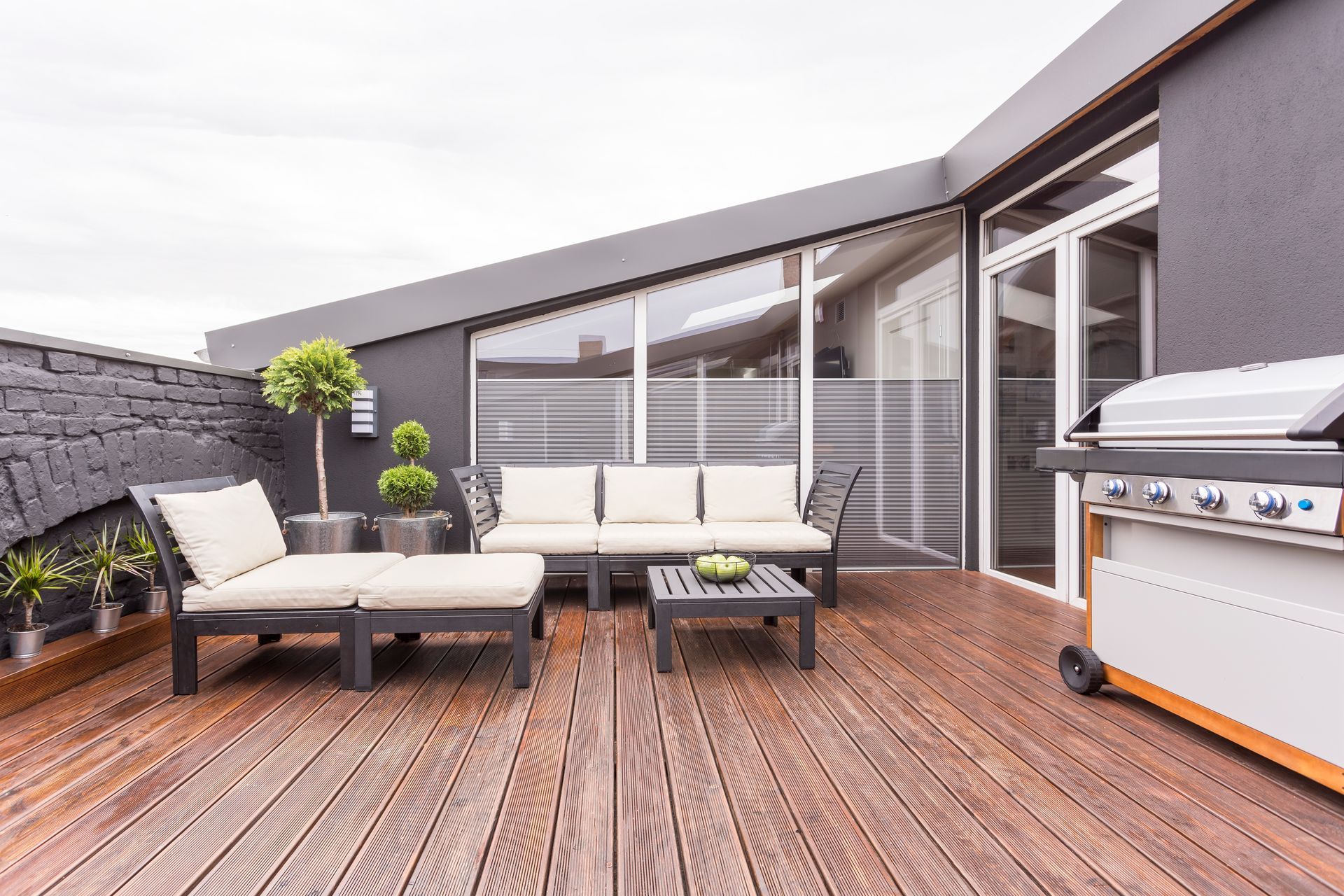
The most common setup: a pergola over an existing patio or concrete patio to add shade, definition, and weather protection. This works for both attached and freestanding designs.
Poolside Pergola Designs
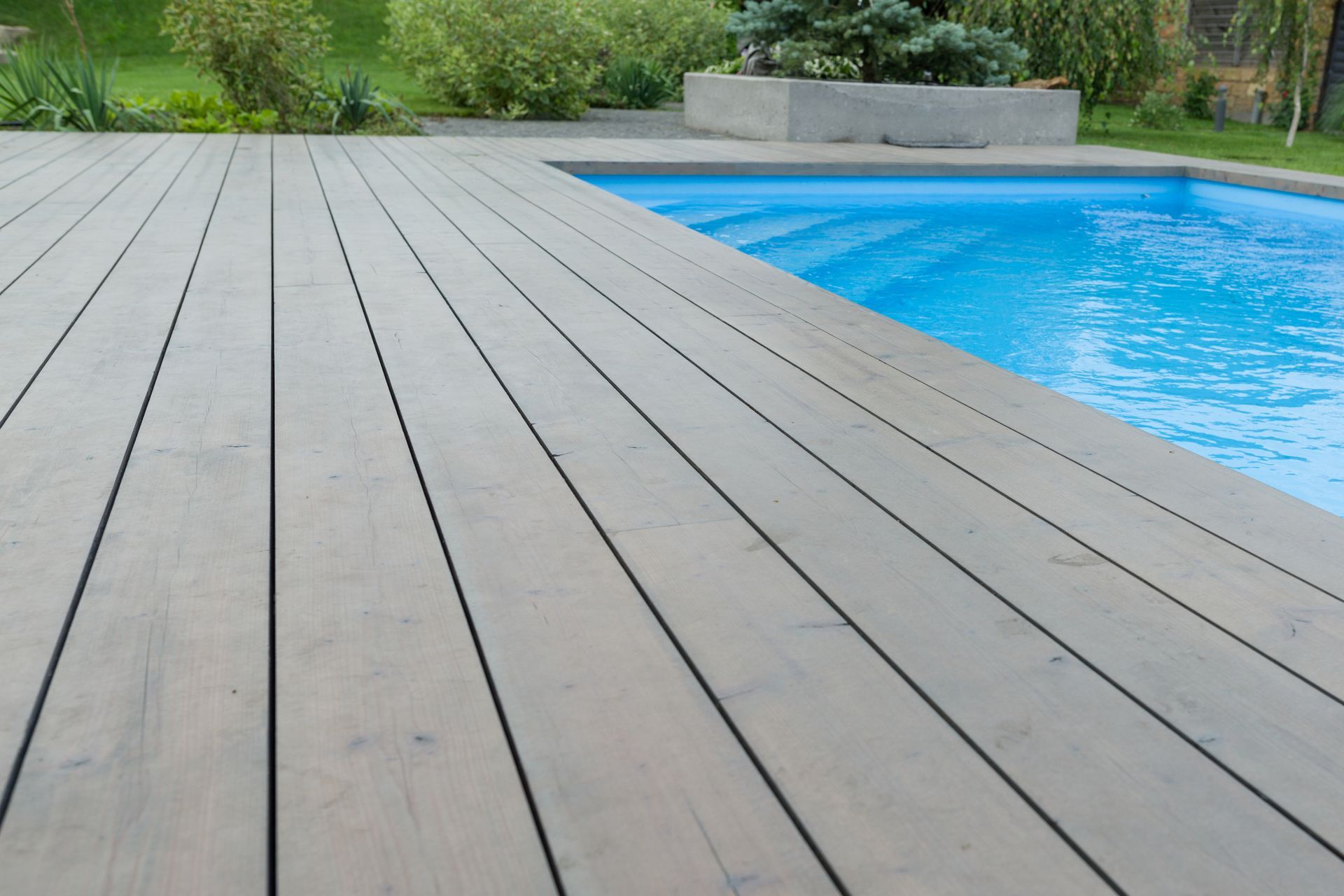
Poolside pergolas give swimmers a shaded place to relax between dips. Aluminum and composite materials work best here, since they handle splashing and chlorine better than wood.
Outdoor Dining and Entertaining Areas
A pergola over an outdoor dining table makes evening dinners feel like a restaurant patio. String lights, a ceiling fan, and a long table under exposed beams is a classic PNW setup.
Pergolas for Outdoor Kitchens and Firepit Spaces
Pergolas pair beautifully with outdoor kitchens and firepits. They give the cooking and gathering areas a defined ceiling, plus shade and shelter that make the space usable in more weather. Just make sure the pergola is built with proper clearance and fire-safe materials for any open flame.
Design Features That Make Pergolas More Functional
The structure itself is just the start. The features you add are what turn a pergola into an outdoor room you'll actually use.
Smart upgrades worth considering:
- Integrated lighting for evening use, including string lights, recessed downlights, and post-mounted sconces
- Privacy walls or decorative screens to block neighbors or create cozy corners
- Ceiling fans to keep air moving on humid summer evenings
- Outdoor heaters that extend the season into fall and early spring
- Climbing plants like clematis, wisteria, or grape vines for a softer, greener look
Integrated Lighting for Evening Use
Lighting is the single biggest upgrade for any pergola. String lights are the budget pick. Recessed downlights and dimmable LEDs give a cleaner look and let you set the mood for different uses.
Privacy Walls and Decorative Screens
Wood slat walls, lattice panels, and outdoor curtains all add privacy without closing in the space. Decorative screens also block wind, which matters more than people expect in shoulder seasons.
Ceiling Fans, Heaters, and Outdoor Comfort Features
Pacific Northwest evenings cool down fast, even in summer. Mounted heaters and ceiling fans let you use the space comfortably from late spring through October.
Climbing Plants and Greenery for a Softer Look
Climbing plants soften the lines of a pergola and tie it into the surrounding landscape. Choose plants that handle PNW moisture well and won't damage the structure over time.
Choosing the Right Pergola Material
Material choice shapes the look, the maintenance, and the lifespan of your pergola.
Cedar Pergolas for a Natural Pacific Northwest Look
Cedar is the classic PNW choice. It's naturally rot resistant, smells great, and weathers to a soft gray if left unsealed. With regular sealing, cedar pergolas last 20 years or more.
Composite and Aluminum Pergola Options
Composite and aluminum pergolas need almost no maintenance. They won't rot, warp, or need yearly sealing, which is a huge advantage in wet climates. Aluminum is especially popular for modern, slim designs.
Pros and Cons of Wood vs Low-Maintenance Materials
| Factor | Cedar Pergola | Aluminum or Composite Pergola |
|---|---|---|
| Look and Feel | Warm, natural, classic PNW | Sleek, modern, uniform |
| Maintenance | Yearly to biennial sealing | Almost none |
| Lifespan | 20 to 25 years with care | 25 to 30+ years |
| Cost | Lower upfront | Higher upfront |
| Best For | Traditional or rustic yards | Modern homes and low-upkeep owners |
Pergola Color and Design Trends for 2026
Pergola design has moved toward bolder finishes and tighter integration with the home's overall look.
Dark Modern Finishes
Matte black, charcoal, and deep bronze are the most requested finishes right now. They pair well with modern PNW architecture and stand out against green landscapes.
Natural Wood Tones and Earthy Colors
Warm cedar, walnut stains, and natural finishes are still hugely popular. They feel grounded and timeless, especially in yards with lots of greenery.
Blending Pergolas With Existing Landscaping and Architecture
The best pergolas don't look bolted on. They pick up colors from the house trim, repeat materials used elsewhere in the yard, and sit at a scale that fits the space. A good designer thinks about how the pergola looks from inside the house, not just from the yard.
Things to Consider Before Building a Pergola
A pergola is a real investment. A few smart decisions upfront save headaches later.
Key things to think about before breaking ground:
- Backyard layout and available space, including how the pergola affects sightlines
- Sun exposure and drainage at the proposed site
- HOA rules and local building permits that may apply
- Budget and long-term maintenance preferences
- How you'll actually use the space day to day
Backyard Layout and Available Space
The pergola should feel proportional to the yard. Too small and it gets lost. Too large and it overwhelms the space. Walk the yard with painter's tape or stakes to mark out the footprint before you commit.
Sun Exposure and Drainage Conditions
Know where the sun hits at different times of day. Also check drainage, since you don't want a pergola sitting in a low spot that pools water.
HOA Rules and Local Building Requirements
Most PNW jurisdictions require permits for pergolas over a certain size or height. HOAs may have rules about color, placement, and material. Check both before you design.
Budget, Maintenance, and Long-Term Goals
Cedar costs less upfront but needs ongoing sealing. Aluminum costs more but skips the maintenance. Think about how long you'll be in the home and how much yard work you actually want to do.
How to Make Your Pergola Feel Like an Outdoor Room
A pergola is just a frame until you furnish it. The goal is to make it feel like a true extension of your home.
Adding Comfortable Seating and Dining Areas
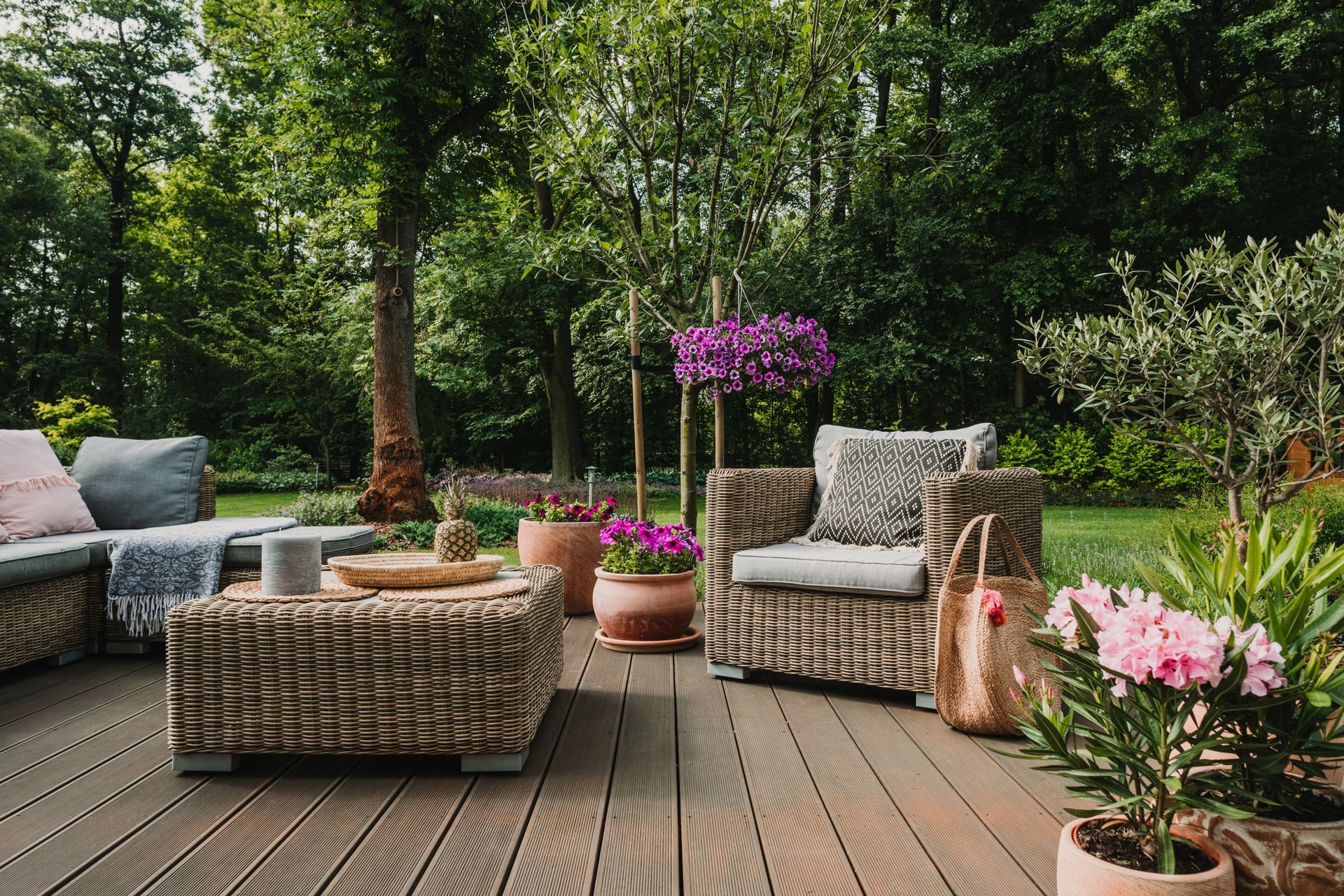
Weather-resistant sofas, deep cushions, and a real outdoor rug make a pergola feel like a living room. A dining table with proper outdoor chairs turns it into a true entertaining space.
Layering Lighting and Landscaping Features
Use a mix of lighting types: overhead string lights for ambiance, focused downlights for dining, and landscape lighting around the base. Layered lighting is what makes a pergola feel finished at night.
Creating a Backyard Space That Feels Private and Relaxing
Privacy screens, tall planters, and climbing greenery on the sides create a sense of enclosure without closing in the structure. The result feels like a private retreat instead of a yard ornament.
Choosing a Pergola Builder in the Pacific Northwest
The right builder matters as much as the right design. Pergolas in our climate have to be built for moisture, wind, and seasonal movement.
Why Custom Design Matters
Stock pergola kits rarely fit a yard perfectly. Custom design lets you match the home's architecture, work around existing trees and features, and pick materials that suit your style and maintenance preferences.
Importance of Material Selection and Installation Quality
A pergola lives or dies on its footings, fasteners, and joinery. Skilled builders use stainless or galvanized hardware, properly anchored posts, and joinery designed to handle moisture cycles year after year.
Finding a Contractor Familiar With Pacific Northwest Conditions
Look for a builder with real PNW experience. Questions worth asking:
- How many pergolas have you built in Oregon or Washington?
- What materials do you recommend for our climate?
- Can I see a recent project?
- Do you handle permits and HOA approvals?
- What warranty do you offer on materials and workmanship?
Final Thoughts on Pergola Ideas for Pacific Northwest Homes
A pergola is one of the best ways to turn an underused backyard into a space you'll use all year.
Finding a Style That Matches Your Home and Lifestyle
The best pergola is the one that matches how you actually want to live in your yard. Whether that's a modern aluminum frame over a clean patio or a cedar structure draped in climbing roses, the design should reflect your home and your habits.
Creating a Backyard Space You'll Actually Use Year-Round
Pacific Northwest weather doesn't have to keep you indoors. With the right pergola design, materials, and comfort features, your backyard can work in spring drizzle, summer sun, and cool fall evenings. The result is more time outside, more memories made at home, and a yard that finally feels finished.
Ready to Design Your Pacific Northwest Pergola?
If you're thinking about adding a pergola to your backyard, we'd love to help you design something built for our climate and your lifestyle. Our team has years of hands-on experience building custom
pergolas and outdoor living spaces across Oregon and Washington.
Reach out today to schedule a consultation.
Frequently Asked Questions
How long do pergolas last in the Pacific Northwest?
A well built pergola lasts 20 to 30 years in the PNW, depending on the material. Cedar pergolas typically last 20 to 25 years with regular sealing. Aluminum and composite pergolas often last 25 to 30 years or more with almost no maintenance.
Do I need a permit to build a pergola in Oregon or Washington?
Most cities require a permit if the pergola is attached to your house or exceeds a certain size or height. Freestanding pergolas under a certain footprint may not need one. Always check with your local building department and your HOA before you start.
Can a pergola really keep me dry in the rain?
Open beam pergolas don't block rain on their own. To stay dry, you need a covered pergola, a retractable canopy, or a louvered roof system. Louvered pergolas are the most flexible option for PNW homes because they handle both rain and sun.
What's the difference between a pergola and a patio cover?
A patio cover is a solid roof attached to your house, mainly for weather protection. A pergola is a standalone or attached structure with an open or partially covered top, designed as much for style as for shelter. Some pergolas function like patio covers with the right roof system added.
How much space do I need for a pergola?
Most residential pergolas range from 10 by 10 feet to 16 by 20 feet. The right size depends on how you'll use it: a dining pergola needs enough room for a table and chairs, while a lounge pergola needs space for seating and side tables. A pro can help you size it based on your yard layout.
Recent Posts